
The Role of a BIM Coordinator in Clash Detection and Model Coordination
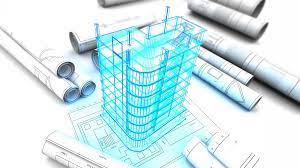
The construction industry in the UAE has witnessed a significant transformation over the past decade, driven by rapid urbanization, ambitious infrastructure projects, and the adoption of advanced digital technologies. Among these technologies, Building Information Modeling (BIM) has emerged as a game-changer, enabling improved collaboration, efficiency, and accuracy in construction projects. Central to the successful implementation of BIM on complex projects is the role of the BIM Coordinator. A BIM Coordinator ensures seamless coordination between design teams, detects clashes early, and manages the integrity of digital models throughout the project lifecycle.
With mega-projects such as high-rise towers, mixed-use developments, and large-scale infrastructure dominating the UAE construction landscape, the BIM Coordinator has become an indispensable professional. Companies like AEC7D rely on experienced BIM Coordinators to manage multi-disciplinary models, ensure compliance with project standards, and deliver projects on time and within budget.
Understanding the Role of a BIM Coordinator
A BIM Coordinator is responsible for managing and coordinating all aspects of a project’s digital models across different disciplines, including architecture, structural, mechanical, electrical, and plumbing (MEP) systems. They act as the bridge between the design team, contractors, and stakeholders, ensuring that all models are integrated, consistent, and clash-free.
Unlike a BIM Manager, who oversees BIM implementation and strategy across multiple projects or an organization, a BIM Coordinator is primarily focused on day-to-day model management, quality control, and technical coordination on individual projects. Their work ensures that project teams can collaborate effectively without errors or conflicts that could delay construction or increase costs.
Importance of Clash Detection in Construction Projects
Clash detection is one of the most critical responsibilities of a BIM Coordinator. In modern construction projects, especially in the UAE where high-rise and complex developments are common, multiple systems and disciplines converge in confined spaces. Structural beams, ducts, plumbing lines, and electrical conduits must coexist without conflicts.
Clashes can lead to costly delays, rework, and material wastage if detected during construction. By using BIM software, such as Autodesk Navisworks, BIM Coordinators can identify and resolve clashes in the digital model before they manifest on-site. This proactive approach saves time, reduces expenses, and ensures smooth project execution.
In addition to technical benefits, clash detection improves collaboration among teams. When clashes are detected early, engineers and designers can discuss solutions, make necessary adjustments, and maintain design intent without compromising quality or safety.
Model Coordination Across Disciplines
A core function of a BIM Coordinator is multi-disciplinary model coordination. Construction projects involve several stakeholders, each responsible for their discipline’s portion of the project. Architectural, structural, and MEP models need to be combined into a federated model to ensure alignment and compatibility.
The BIM Coordinator merges these models, checks for inconsistencies, and communicates findings to the respective teams. They also manage model versions, ensuring that all participants are working with the most up-to-date and approved files. This coordination is particularly vital in the UAE’s fast-paced construction environment, where large teams and multiple contractors work simultaneously on complex projects.
By maintaining an integrated model, BIM Coordinators help prevent costly errors, improve workflow efficiency, and facilitate decision-making for project managers and stakeholders.
Ensuring Compliance with BIM Standards
BIM Coordinators ensure that project models adhere to established BIM standards and protocols. This includes naming conventions, file structures, model levels of detail (LOD), and clash resolution procedures. Adhering to these standards is crucial for consistency, clarity, and effective collaboration.
In the UAE, RICS and international BIM standards are often applied alongside project-specific protocols. BIM Coordinators ensure that models comply with these standards, enabling reliable documentation, accurate reporting, and easier project handover. Companies like AEC7D implement strict BIM standards under the guidance of their coordinators to maintain quality and minimize risks.
Software and Tools Used by BIM Coordinators
BIM Coordinators leverage a variety of digital tools to manage models and perform clash detection effectively. Some of the commonly used software includes Autodesk Revit for modeling, Navisworks for clash detection, Solibri for quality checking, and BIM 360 for cloud-based collaboration.
The use of these tools allows coordinators to run automated clash reports, visualize conflicts in 3D, and track resolutions. Coordinators also use version control and coordination platforms to manage multiple file updates from different disciplines, ensuring that every change is captured and communicated efficiently.
Advanced tools also enable BIM Coordinators to analyze schedules, cost implications, and spatial conflicts, making their role critical in achieving integrated project delivery.
Communication and Collaboration Skills
While technical expertise is essential, a successful BIM Coordinator also requires excellent communication and collaboration skills. They serve as a central point of contact between design teams, contractors, and project managers.
Coordinators facilitate coordination meetings, present clash reports, and provide actionable solutions for conflicts. Their ability to clearly communicate complex technical issues ensures that all parties understand the implications and can make informed decisions.
Strong collaboration skills are particularly important in the UAE, where projects often involve multinational teams with diverse technical backgrounds. BIM Coordinators bridge cultural and technical gaps, ensuring smooth cooperation throughout the project lifecycle.
Benefits of Having a BIM Coordinator in UAE Projects
The involvement of a BIM Coordinator provides multiple benefits for construction projects in the UAE. These include:
-
Reduced Construction Errors: Early detection of clashes prevents costly rework and delays on-site.
-
Improved Project Efficiency: Coordinated models streamline workflows, enabling teams to work concurrently without conflicts.
-
Cost Savings: By minimizing errors and rework, BIM coordination reduces material wastage and labor costs.
-
Enhanced Quality: Consistent adherence to BIM standards ensures high-quality models and accurate documentation.
-
Better Decision-Making: Coordinators provide valuable insights into design feasibility, construction sequencing, and risk mitigation.
BIM Coordinator’s Role in High-Rise and Complex Developments
Dubai and other UAE cities are known for high-rise towers, large-scale commercial projects, and complex mixed-use developments. In such projects, the BIM Coordinator’s role becomes even more critical due to the density of systems and the need for precise integration.
Coordinators manage vertical coordination for MEP systems, structural elements, and architectural components. They also oversee temporary works, construction sequencing, and integration of design changes. In doing so, they help prevent structural conflicts, reduce delays, and ensure project safety.
Companies like AEC7D rely on BIM Coordinators to maintain model integrity in high-rise projects, ensuring that every element is carefully reviewed, clashes are resolved, and construction can proceed without interruption.
Career Path and Future Opportunities
The demand for skilled BIM Coordinators continues to grow in the UAE due to the increasing adoption of BIM across the construction industry. Career progression typically leads to roles such as BIM Manager, Digital Construction Manager, or Project Information Manager.
Future opportunities for BIM Coordinators include working with smart city projects, integrating digital twins, and leveraging AI-driven clash detection and predictive analysis. As the UAE invests in innovative infrastructure and sustainable urban development, the BIM Coordinator’s role will remain central to delivering efficient, high-quality projects.
Conclusion
The BIM Coordinator plays a pivotal role in ensuring the success of modern construction projects in the UAE. Through clash detection, model coordination, and adherence to BIM standards, they provide technical oversight, improve collaboration, and reduce risks across project teams. Their work not only prevents costly errors and delays but also enhances overall project quality and efficiency.
In a market characterized by high-rise developments, complex systems, and international teams, the BIM Coordinator is an indispensable professional. Companies such as AEC7D rely on experienced coordinators to manage multi-disciplinary models, resolve clashes, and ensure that projects are delivered on time and to the highest standards. For the UAE construction industry, the BIM Coordinator represents a critical bridge between innovative design and successful project delivery.


 Arabic
 French
 Spanish
 Portuguese
 Deutsch
 Turkish
 Dutch
Dutch
 Italiano
 Russian
 Romaian
 Portuguese (Brazil)
 Greek
Greek