
• How Job Automation Fear Statistics Are Shaping the Modern Workforce

    Automation and artificial intelligence (AI) have become integral to the modern workplace, driving efficiency and transforming industries. However, they have also sparked concerns among employees regarding job security. Recent job automation fear statistics show that a significant portion of the workforce is worried about the impact of AI on their careers.

    Studies reveal that 52% of U.S. employees are concerned about AI affecting their jobs, while only 6% believe it will improve their career prospects. Meanwhile, 32% of workers expect fewer opportunities due to automation. These figures highlight a growing anxiety that technology could replace or drastically change existing roles.

    Certain types of jobs are particularly vulnerable. Repetitive, routine, or administrative roles are seen as high-risk. For instance, 73% of employees believe cashier jobs may disappear, and 67% say factory positions are at risk. Even software and IT roles face some degree of threat, with 48% of professionals concerned about automation affecting their work.

    The impact of AI is not limited to replacing jobs—it often reshapes them. Approximately 85% of employees report that AI tools may alter at least some of their tasks, while up to 30% of white-collar work could see major changes in task execution. This trend emphasizes the need for employees to continuously update their skills and adapt to changing responsibilities.

    Demographic and industry factors influence perceptions of automation risk. Younger, tech-savvy workers adopt AI tools more readily but tend to feel greater pressure, while older employees may be less comfortable with new technology yet often occupy roles less susceptible to automation. High-risk sectors include retail, manufacturing, banking, and customer service, whereas healthcare, education, and creative industries are more secure.

    Addressing these fears requires proactive steps. Employees should focus on upskilling, reskilling, and embracing AI as a complement to their work, while organizations should provide training programs, AI literacy initiatives, and open communication about automation plans. Doing so ensures that employees feel supported rather than threatened.

    Understanding job automation fear statistics is vital for both employees and employers. They highlight the need for preparation, adaptability, and continuous learning in an AI-driven workplace. By acknowledging these trends, workers can take steps to secure their careers, and companies can maintain a confident, skilled workforce.

    For full insights, visit: https://market.biz/job-automation-fear-statistics/
    How Job Automation Fear Statistics Are Shaping the Modern Workforce Automation and artificial intelligence (AI) have become integral to the modern workplace, driving efficiency and transforming industries. However, they have also sparked concerns among employees regarding job security. Recent job automation fear statistics show that a significant portion of the workforce is worried about the impact of AI on their careers. Studies reveal that 52% of U.S. employees are concerned about AI affecting their jobs, while only 6% believe it will improve their career prospects. Meanwhile, 32% of workers expect fewer opportunities due to automation. These figures highlight a growing anxiety that technology could replace or drastically change existing roles. Certain types of jobs are particularly vulnerable. Repetitive, routine, or administrative roles are seen as high-risk. For instance, 73% of employees believe cashier jobs may disappear, and 67% say factory positions are at risk. Even software and IT roles face some degree of threat, with 48% of professionals concerned about automation affecting their work. The impact of AI is not limited to replacing jobs—it often reshapes them. Approximately 85% of employees report that AI tools may alter at least some of their tasks, while up to 30% of white-collar work could see major changes in task execution. This trend emphasizes the need for employees to continuously update their skills and adapt to changing responsibilities. Demographic and industry factors influence perceptions of automation risk. Younger, tech-savvy workers adopt AI tools more readily but tend to feel greater pressure, while older employees may be less comfortable with new technology yet often occupy roles less susceptible to automation. High-risk sectors include retail, manufacturing, banking, and customer service, whereas healthcare, education, and creative industries are more secure. Addressing these fears requires proactive steps. Employees should focus on upskilling, reskilling, and embracing AI as a complement to their work, while organizations should provide training programs, AI literacy initiatives, and open communication about automation plans. Doing so ensures that employees feel supported rather than threatened. Understanding job automation fear statistics is vital for both employees and employers. They highlight the need for preparation, adaptability, and continuous learning in an AI-driven workplace. By acknowledging these trends, workers can take steps to secure their careers, and companies can maintain a confident, skilled workforce. For full insights, visit: https://market.biz/job-automation-fear-statistics/
    0 Comments 0 Shares 376 Views 0 Reviews
  • Build Enterprise Custom Software Using Predictive AI

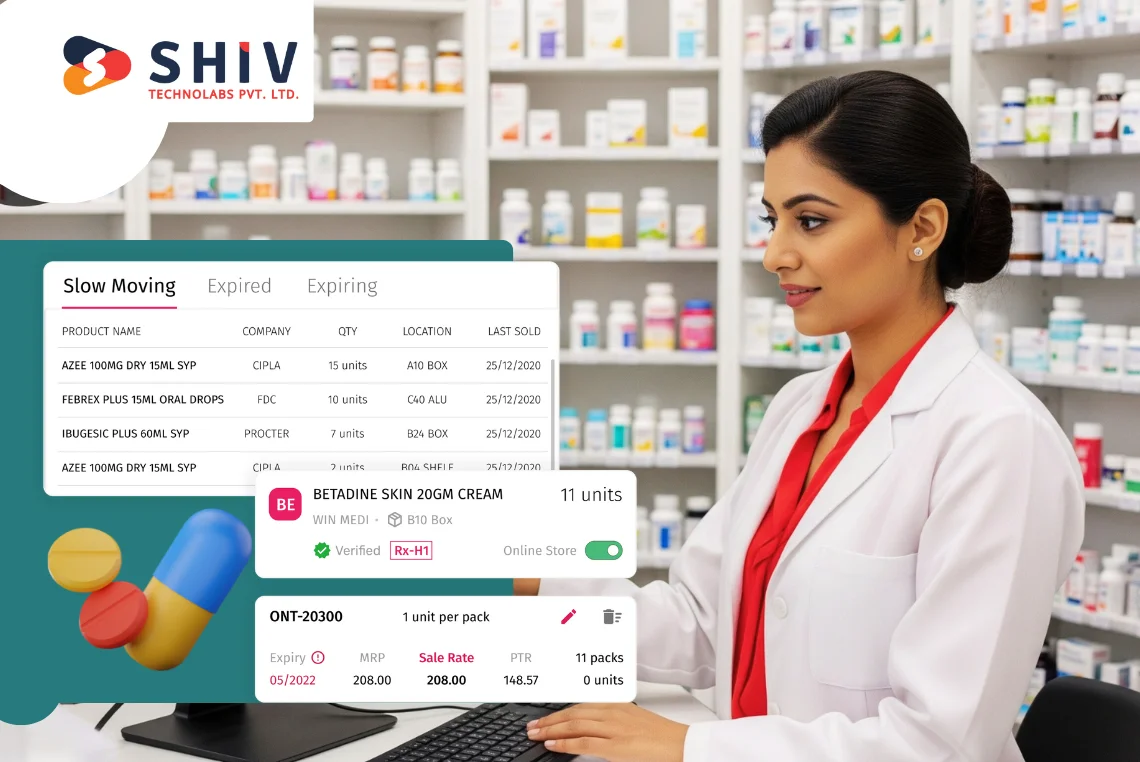
    Build Predictive AI like a demand forecasting software to plan inventory, reduce stock issues, and improve business decisions. This blog explains how to create enterprise custom software that studies data, predicts demand patterns, and supports daily operations.

    It covers development cost, timeline, and expected ROI with practical use cases. If your business wants accurate forecasting and better planning, this guide shows how Predictive AI software can deliver real, measurable results.

    https://shivlab.com/blog/predictive-ai-demand-forecasting-cost-timeline-roi/
    Build Enterprise Custom Software Using Predictive AI Build Predictive AI like a demand forecasting software to plan inventory, reduce stock issues, and improve business decisions. This blog explains how to create enterprise custom software that studies data, predicts demand patterns, and supports daily operations. It covers development cost, timeline, and expected ROI with practical use cases. If your business wants accurate forecasting and better planning, this guide shows how Predictive AI software can deliver real, measurable results. https://shivlab.com/blog/predictive-ai-demand-forecasting-cost-timeline-roi/
    SHIVLAB.COM
    Predictive AI Demand Forecasting Software: Cost & ROI
    Build predictive AI demand forecasting software with clear cost, timeline, ROI metrics, deployment phases, and enterprise implementation insights.
    0 Comments 0 Shares 255 Views 0 Reviews
  • Digital Nomad Work Statistics: Opportunities and Challenges

    Digital Nomad Work Statistics show that millions of professionals are choosing a career that allows them to work while traveling. By 2026, over 40 million people are expected to adopt this location-independent lifestyle, reflecting a major shift in how work and life are balanced.

    Employment among digital nomads is varied. Many work as full-time remote employees, while others take up freelance, consulting, or entrepreneurial roles. Industries like software development, marketing, content creation, design, and e-commerce dominate. According to Digital Nomad Work Statistics, most earn between $50,000 and $100,000 annually, with tech specialists often earning more. This proves that financial stability is achievable outside traditional office roles.

    Flexibility is the main attraction. Digital nomads prioritize destinations with reliable internet, affordable costs, and community support. Popular hubs include Bali, Lisbon, Chiang Mai, and Medellín. Frequent travel allows professionals to experience new cultures, explore diverse environments, and maintain professional growth.

    However, the lifestyle comes with challenges. Burnout, loneliness, visa requirements, healthcare access, and time zone differences are common obstacles. Digital Nomad Work Statistics highlight that careful planning and adaptability are essential to overcome these issues while sustaining productivity and wellbeing.

    Despite the challenges, the opportunities are significant. Location independence allows professionals to balance career growth with personal exploration, creating a more fulfilling lifestyle. With more countries offering digital nomad visas and companies adopting remote-first policies, the future of this workforce looks strong.

    Digital nomadism represents both freedom and responsibility. For those willing to adapt, it offers unique opportunities for financial growth, personal development, and cultural experiences. As the world embraces remote work, digital nomadism is poised to remain a key trend in the global labor market.

    Read more: https://market.biz/digital-nomad-work-statistics/
    Digital Nomad Work Statistics: Opportunities and Challenges Digital Nomad Work Statistics show that millions of professionals are choosing a career that allows them to work while traveling. By 2026, over 40 million people are expected to adopt this location-independent lifestyle, reflecting a major shift in how work and life are balanced. Employment among digital nomads is varied. Many work as full-time remote employees, while others take up freelance, consulting, or entrepreneurial roles. Industries like software development, marketing, content creation, design, and e-commerce dominate. According to Digital Nomad Work Statistics, most earn between $50,000 and $100,000 annually, with tech specialists often earning more. This proves that financial stability is achievable outside traditional office roles. Flexibility is the main attraction. Digital nomads prioritize destinations with reliable internet, affordable costs, and community support. Popular hubs include Bali, Lisbon, Chiang Mai, and Medellín. Frequent travel allows professionals to experience new cultures, explore diverse environments, and maintain professional growth. However, the lifestyle comes with challenges. Burnout, loneliness, visa requirements, healthcare access, and time zone differences are common obstacles. Digital Nomad Work Statistics highlight that careful planning and adaptability are essential to overcome these issues while sustaining productivity and wellbeing. Despite the challenges, the opportunities are significant. Location independence allows professionals to balance career growth with personal exploration, creating a more fulfilling lifestyle. With more countries offering digital nomad visas and companies adopting remote-first policies, the future of this workforce looks strong. Digital nomadism represents both freedom and responsibility. For those willing to adapt, it offers unique opportunities for financial growth, personal development, and cultural experiences. As the world embraces remote work, digital nomadism is poised to remain a key trend in the global labor market. Read more: https://market.biz/digital-nomad-work-statistics/
    0 Comments 0 Shares 402 Views 0 Reviews
  • Remote Employee Monitoring Statistics: What Businesses Need to Know

    As remote and hybrid work continue to grow, understanding Remote Employee Monitoring Statistics is crucial for businesses looking to track productivity, manage performance, and ensure accountability. Monitoring remote employees is no longer just oversight—it provides actionable insights that help organizations streamline workflows, allocate resources effectively, and maintain efficiency.

    Recent Remote Employee Monitoring Statistics show that nearly 60% of companies now use some form of remote monitoring. From small businesses to large enterprises, organizations are implementing tools to track employee activity, manage tasks, and ensure deadlines are met. Monitoring is becoming a key strategy to understand productivity patterns and identify areas for improvement.

    Common monitoring tools include time-tracking software, screen recording, internet and application usage tracking, communication monitoring, and GPS tracking for mobile employees. These tools give managers real-time insights into workflow efficiency and employee engagement, allowing timely intervention when needed.

    Employee perception is important. Statistics indicate that about 70% of employees are aware they are being monitored, but less than half find monitoring policies clearly communicated. Around 35% report stress due to monitoring, which makes transparency essential. Organizations that clearly explain what is being tracked, why, and how the data is used can maintain trust and morale.

    The benefits are clear. Monitoring improves productivity, task completion rates, performance visibility, and security. It also helps identify inefficiencies and optimize workflows, driving stronger business results.

    Emerging trends show a shift toward AI-driven and outcome-focused monitoring. Instead of minute-by-minute tracking, modern tools assess results, predict bottlenecks, and integrate seamlessly with collaboration platforms. Ethical monitoring practices ensure both productivity and employee satisfaction.

    In conclusion, Remote Employee Monitoring Statistics highlight the growing role of monitoring in managing remote teams effectively. By implementing transparent, ethical, and results-focused strategies, businesses can boost productivity, maintain security, and foster a motivated, accountable remote workforce. For full insights and the latest data, visit https://market.biz/remote-employee-monitoring-statistics/
    Remote Employee Monitoring Statistics: What Businesses Need to Know As remote and hybrid work continue to grow, understanding Remote Employee Monitoring Statistics is crucial for businesses looking to track productivity, manage performance, and ensure accountability. Monitoring remote employees is no longer just oversight—it provides actionable insights that help organizations streamline workflows, allocate resources effectively, and maintain efficiency. Recent Remote Employee Monitoring Statistics show that nearly 60% of companies now use some form of remote monitoring. From small businesses to large enterprises, organizations are implementing tools to track employee activity, manage tasks, and ensure deadlines are met. Monitoring is becoming a key strategy to understand productivity patterns and identify areas for improvement. Common monitoring tools include time-tracking software, screen recording, internet and application usage tracking, communication monitoring, and GPS tracking for mobile employees. These tools give managers real-time insights into workflow efficiency and employee engagement, allowing timely intervention when needed. Employee perception is important. Statistics indicate that about 70% of employees are aware they are being monitored, but less than half find monitoring policies clearly communicated. Around 35% report stress due to monitoring, which makes transparency essential. Organizations that clearly explain what is being tracked, why, and how the data is used can maintain trust and morale. The benefits are clear. Monitoring improves productivity, task completion rates, performance visibility, and security. It also helps identify inefficiencies and optimize workflows, driving stronger business results. Emerging trends show a shift toward AI-driven and outcome-focused monitoring. Instead of minute-by-minute tracking, modern tools assess results, predict bottlenecks, and integrate seamlessly with collaboration platforms. Ethical monitoring practices ensure both productivity and employee satisfaction. In conclusion, Remote Employee Monitoring Statistics highlight the growing role of monitoring in managing remote teams effectively. By implementing transparent, ethical, and results-focused strategies, businesses can boost productivity, maintain security, and foster a motivated, accountable remote workforce. For full insights and the latest data, visit https://market.biz/remote-employee-monitoring-statistics/
    0 Comments 0 Shares 476 Views 0 Reviews
  • Paperless Invoicing: Save Time and Reduce Costs

    Switch to paperless invoicing to save time, cut costs, reduce errors, and boost security. Streamline your billing with digital invoices today!

    Read More Link:

    https://www.invoicetemple.com/pricing/

    # online invoicing software

    # paperless invoice

    # invoicing software
    Paperless Invoicing: Save Time and Reduce Costs Switch to paperless invoicing to save time, cut costs, reduce errors, and boost security. Streamline your billing with digital invoices today! Read More Link: https://www.invoicetemple.com/pricing/ # online invoicing software # paperless invoice # invoicing software
    0 Comments 0 Shares 218 Views 0 Reviews
  • The Future of Forex Trading Platforms and Online Currency Markets

    Technology has played a major role in transforming financial markets over the past decade. Forex trading, once limited to large financial institutions, is now accessible to individual traders around the world thanks to advanced trading software. A modern platform for forex trading allows traders to participate in global currency markets with just a computer or smartphone. The evolution of the currency trading platform continues to introduce new tools and technologies that improve efficiency and trading performance.

    Visit Us:- https://brokersreviewonline.com/platform-for-forex-trading-award-winning-brokers-fast-execution/

    Artificial intelligence and machine learning are becoming increasingly common in trading platforms. These technologies analyze vast amounts of market data to identify patterns and potential trading opportunities. An advanced platform for forex trading equipped with AI tools can help traders make more informed decisions based on historical and real-time market information. At the same time, a modern currency trading platform may include automated strategies that execute trades according to predefined algorithms.

    Cloud technology is also playing an important role in the development of trading platforms. Cloud-based systems allow traders to access their accounts from multiple devices without losing data or performance. This ensures greater flexibility and reliability for traders who need constant access to the market.

    Another major innovation in forex trading is social trading. Some platforms now allow traders to observe and copy the strategies of experienced professionals. This feature can be particularly beneficial for beginners who want to learn from successful traders while participating in real market conditions.

    Mobile trading continues to grow rapidly as smartphones become more powerful and internet access improves globally. Many traders now prefer mobile applications that offer full trading functionality, including chart analysis, order execution, and account management. A high-quality mobile trading environment ensures that traders can react quickly to market movements.

    Regulation and security will also remain important aspects of forex trading platforms. As the industry grows, brokers and platform providers must continue to implement strong security systems to protect traders’ funds and personal information. Transparency and compliance with financial regulations will play a key role in maintaining trust within the trading community.

    Looking ahead, the forex trading industry is expected to become even more technologically advanced. The integration of AI, cloud computing, and advanced analytics will further enhance the capabilities of the platform for forex trading. A modern currency trading platform will continue to evolve, offering traders powerful tools and improved accessibility. For anyone interested in the forex market, using an innovative platform for forex trading will be essential for staying competitive and taking advantage of future trading opportunities.
    The Future of Forex Trading Platforms and Online Currency Markets Technology has played a major role in transforming financial markets over the past decade. Forex trading, once limited to large financial institutions, is now accessible to individual traders around the world thanks to advanced trading software. A modern platform for forex trading allows traders to participate in global currency markets with just a computer or smartphone. The evolution of the currency trading platform continues to introduce new tools and technologies that improve efficiency and trading performance. Visit Us:- https://brokersreviewonline.com/platform-for-forex-trading-award-winning-brokers-fast-execution/ Artificial intelligence and machine learning are becoming increasingly common in trading platforms. These technologies analyze vast amounts of market data to identify patterns and potential trading opportunities. An advanced platform for forex trading equipped with AI tools can help traders make more informed decisions based on historical and real-time market information. At the same time, a modern currency trading platform may include automated strategies that execute trades according to predefined algorithms. Cloud technology is also playing an important role in the development of trading platforms. Cloud-based systems allow traders to access their accounts from multiple devices without losing data or performance. This ensures greater flexibility and reliability for traders who need constant access to the market. Another major innovation in forex trading is social trading. Some platforms now allow traders to observe and copy the strategies of experienced professionals. This feature can be particularly beneficial for beginners who want to learn from successful traders while participating in real market conditions. Mobile trading continues to grow rapidly as smartphones become more powerful and internet access improves globally. Many traders now prefer mobile applications that offer full trading functionality, including chart analysis, order execution, and account management. A high-quality mobile trading environment ensures that traders can react quickly to market movements. Regulation and security will also remain important aspects of forex trading platforms. As the industry grows, brokers and platform providers must continue to implement strong security systems to protect traders’ funds and personal information. Transparency and compliance with financial regulations will play a key role in maintaining trust within the trading community. Looking ahead, the forex trading industry is expected to become even more technologically advanced. The integration of AI, cloud computing, and advanced analytics will further enhance the capabilities of the platform for forex trading. A modern currency trading platform will continue to evolve, offering traders powerful tools and improved accessibility. For anyone interested in the forex market, using an innovative platform for forex trading will be essential for staying competitive and taking advantage of future trading opportunities.
    0 Comments 0 Shares 643 Views 0 Reviews
  • Small Business Success Timeline: How Soon Can Profits Be Expected?

    A profitable business earns more revenue than its operational costs and expenses, and making a profit is the aim of many small business owners.

    For those who operate a small business, their primary aim is to generate profits quickly. Business owners prefer not to wait for a long period to earn profits once the business begins. Everybody loves quick profits, especially in a shorter period. But when does a small business attain the expected profits?

    Tap the link, to learn more
    https://www.invoicetemple.com

    #online invoicing software #best inventory management software #invoices
    Small Business Success Timeline: How Soon Can Profits Be Expected? A profitable business earns more revenue than its operational costs and expenses, and making a profit is the aim of many small business owners. For those who operate a small business, their primary aim is to generate profits quickly. Business owners prefer not to wait for a long period to earn profits once the business begins. Everybody loves quick profits, especially in a shorter period. But when does a small business attain the expected profits? Tap the link, to learn more https://www.invoicetemple.com #online invoicing software #best inventory management software #invoices
    0 Comments 0 Shares 928 Views 0 Reviews
  • Recent HR Technology Adoption Statistics show that over 75% of companies now use HR software to streamline hiring, payroll, and employee management. Cloud platforms, AI recruitment tools, and mobile HR apps help organizations improve efficiency and employee engagement. These technologies allow businesses to automate routine tasks, access real-time workforce data, and make smarter decisions. As companies shift toward digital HR systems, technology is becoming essential for staying competitive and managing talent effectively. Learn more: https://market.biz/hr-technology-adoption-statistics/
    Recent HR Technology Adoption Statistics show that over 75% of companies now use HR software to streamline hiring, payroll, and employee management. Cloud platforms, AI recruitment tools, and mobile HR apps help organizations improve efficiency and employee engagement. These technologies allow businesses to automate routine tasks, access real-time workforce data, and make smarter decisions. As companies shift toward digital HR systems, technology is becoming essential for staying competitive and managing talent effectively. Learn more: https://market.biz/hr-technology-adoption-statistics/
    0 Comments 0 Shares 390 Views 0 Reviews
  • https://www.jadhavarbusinessintelligence.com/market-research-report/logistics-software-market/1058
    https://www.jadhavarbusinessintelligence.com/market-research-report/logistics-software-market/1058
    WWW.JADHAVARBUSINESSINTELLIGENCE.COM
    Logistics Software Market Size, Trends, Growth Report (2030)|Jadhavar Business Intelligence
    Global Logistics Software Market had a value of USD 16.36 billion in 2024 and expected it to hit USD 28.23 billion by 2030, with a CAGR of 9.5% through the forecast period.
    0 Comments 0 Shares 410 Views 0 Reviews
  • Modernize Legacy Systems with Python – A Business Guide

    Modern businesses often rely on systems built many years ago. This post explains how Python helps modernize legacy systems and move software to modern architectures with better performance, scalability, and easier integration.

    It highlights technical steps such as code refactoring, API creation, database migration, testing, and cloud readiness. It also covers cost factors, risks, and expected ROI so teams can plan modernization projects with clarity.

    #ModernizingLegacySystems

    https://shivlab.com/blog/modernize-legacy-systems-python-migration/
    Modernize Legacy Systems with Python – A Business Guide Modern businesses often rely on systems built many years ago. This post explains how Python helps modernize legacy systems and move software to modern architectures with better performance, scalability, and easier integration. It highlights technical steps such as code refactoring, API creation, database migration, testing, and cloud readiness. It also covers cost factors, risks, and expected ROI so teams can plan modernization projects with clarity. #ModernizingLegacySystems https://shivlab.com/blog/modernize-legacy-systems-python-migration/
    SHIVLAB.COM
    Modernize Legacy Systems with Python: Migration Guide
    Migrating legacy systems to Python improves efficiency, security, and scalability. Understand the migration steps, associated costs, and business returns.
    0 Comments 0 Shares 716 Views 0 Reviews
More Results