
Why Sudoku Became My Favorite Brain Workout
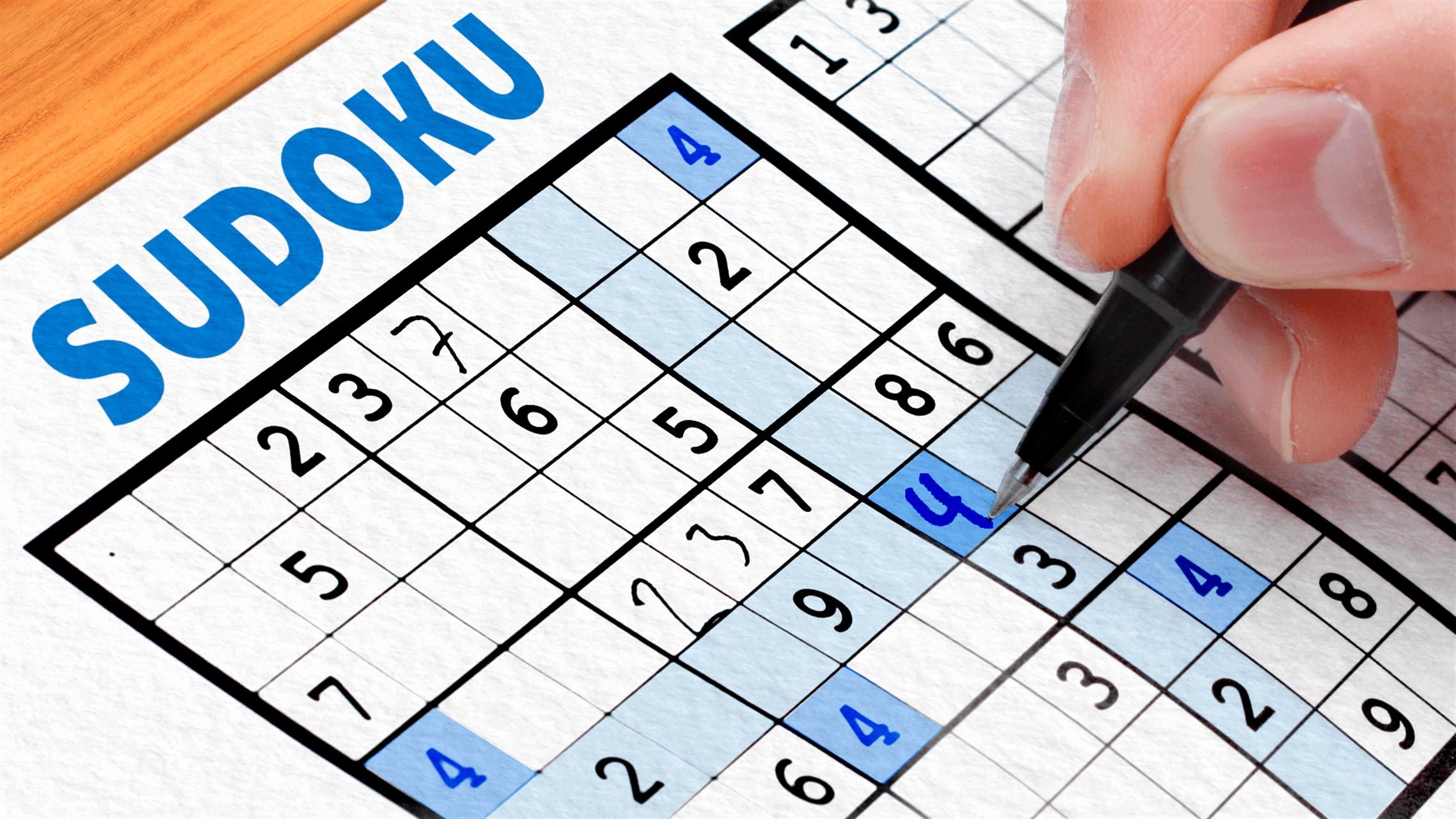
I’ve always been a fan of puzzles, but somehow, Sudoku managed to sneak its way into my daily routine and stay there. What started as casual curiosity has turned into a full-blown hobby, one that challenges my mind, tests my patience, and sometimes even makes me laugh at myself.
My Introduction to Sudoku
It was a rainy afternoon, and I was stuck at home with nothing to do. I picked up a newspaper lying on the table and noticed a small section labeled “Sudoku.” The 9x9 grid looked simple enough, but something about it intrigued me.
First Attempts
I thought, “This will be easy.” Ha. That was my first mistake. I dove in, filling numbers randomly and confidently, only to realize I had repeated a number in a row after ten minutes. Frustration bubbled up quickly. I put the paper down and walked away, but the puzzle lingered in my mind.
Curiosity Kicked In
The next day, I tried again, this time a bit more cautiously. I learned to scan rows and columns carefully, and slowly, a strategy began to form. By the end of that week, I had completed my first puzzle without errors. That small victory felt like winning a tiny mental battle.
What Makes Sudoku So Addictive
Sudoku isn’t about math; it’s about logic, observation, and pattern recognition. Each puzzle presents a unique challenge, making the experience both stimulating and satisfying.
The Mental Workout
Every puzzle is a workout for your brain. You’re constantly thinking ahead, predicting outcomes, and double-checking your moves. It’s like chess, but faster, simpler in appearance, and yet deceptively complex.
The Balance of Frustration and Joy
There’s something oddly satisfying about Sudoku’s balance of challenge and reward. You struggle, make mistakes, and then—when everything clicks—the sense of accomplishment is almost euphoric. Those moments of triumph are why I keep coming back.
Memorable Sudoku Experiences
Not all Sudoku sessions are calm or meditative. Some are downright chaotic, hilarious, or infuriating.
The Great Fail
I remember tackling a “hard” puzzle late one night. My coffee went cold, my cat knocked over my pencil, and I accidentally placed a 5 in the wrong box. Thirty minutes of work were ruined. I stared at the grid, groaning, and laughed at my own ridiculous misfortune.
The Sweet Victory
Contrast that with the time I solved an expert-level puzzle perfectly. Every number fell into place like a symphony of logic. I leaned back, exhausted but exhilarated, realizing why Sudoku is such a beloved game worldwide.
Tips That Make Sudoku Easier
Over time, I’ve learned a few techniques that make solving Sudoku more manageable and less stressful.
Start With Obvious Numbers
Begin by filling in numbers that are clearly missing in a row, column, or box. It’s a confidence booster and makes the harder sections easier to approach.
Use Pencil Marks
For tricky puzzles, write small possible numbers in the corners of empty squares. This method prevents mistakes and helps visualize options.
Step Away When Stuck
Sometimes the solution isn’t obvious because you’re too close. Taking a short break, stretching, or sipping tea can give fresh perspective and clarity.
Look for Patterns
Sudoku is not just about numbers—it’s about patterns. Identifying recurring sequences in rows, columns, or blocks often reveals the solution faster than trial and error.
Lessons Sudoku Taught Me
Sudoku isn’t just entertainment—it’s also a teacher.
Patience is Key
A single misstep can ruin hours of work. Sudoku teaches you to slow down, double-check your moves, and appreciate precision.
Persistence Pays Off
Even when a puzzle seems impossible, persistence often leads to breakthroughs. That lesson extends beyond Sudoku to work, studies, and life in general.
Small Wins Matter
Filling even a few squares correctly feels rewarding. Celebrating these small victories helps maintain motivation and makes tackling bigger challenges more enjoyable.
Why I Recommend Sudoku
Sudoku has something for everyone. Beginners can enjoy easy grids, while experts can spend hours on complex puzzles. It’s portable, flexible, and infinitely variable—no two puzzles are ever the same.
Brain Fitness on the Go
Sudoku keeps your mind sharp. It improves focus, logic, and problem-solving skills. And unlike other mental exercises, it’s fun, rewarding, and often addictive.
A Stress Reliever
Ironically, despite the moments of frustration, Sudoku is also relaxing. Once you get into a rhythm, focusing on the grid can be meditative, providing a mental escape from daily stress.
Final Thoughts
From my first chaotic attempts to solving expert-level grids, Sudoku has been a journey full of lessons, laughter, and little victories. It’s a puzzle that challenges both patience and intellect while providing endless entertainment.

 English
 Arabic
 French
 Spanish
 Portuguese
 Deutsch
 Dutch
Dutch
 Italiano
 Russian
 Romaian
 Portuguese (Brazil)
 Greek
Greek