
Buoys Supporting Offshore Platform Operations
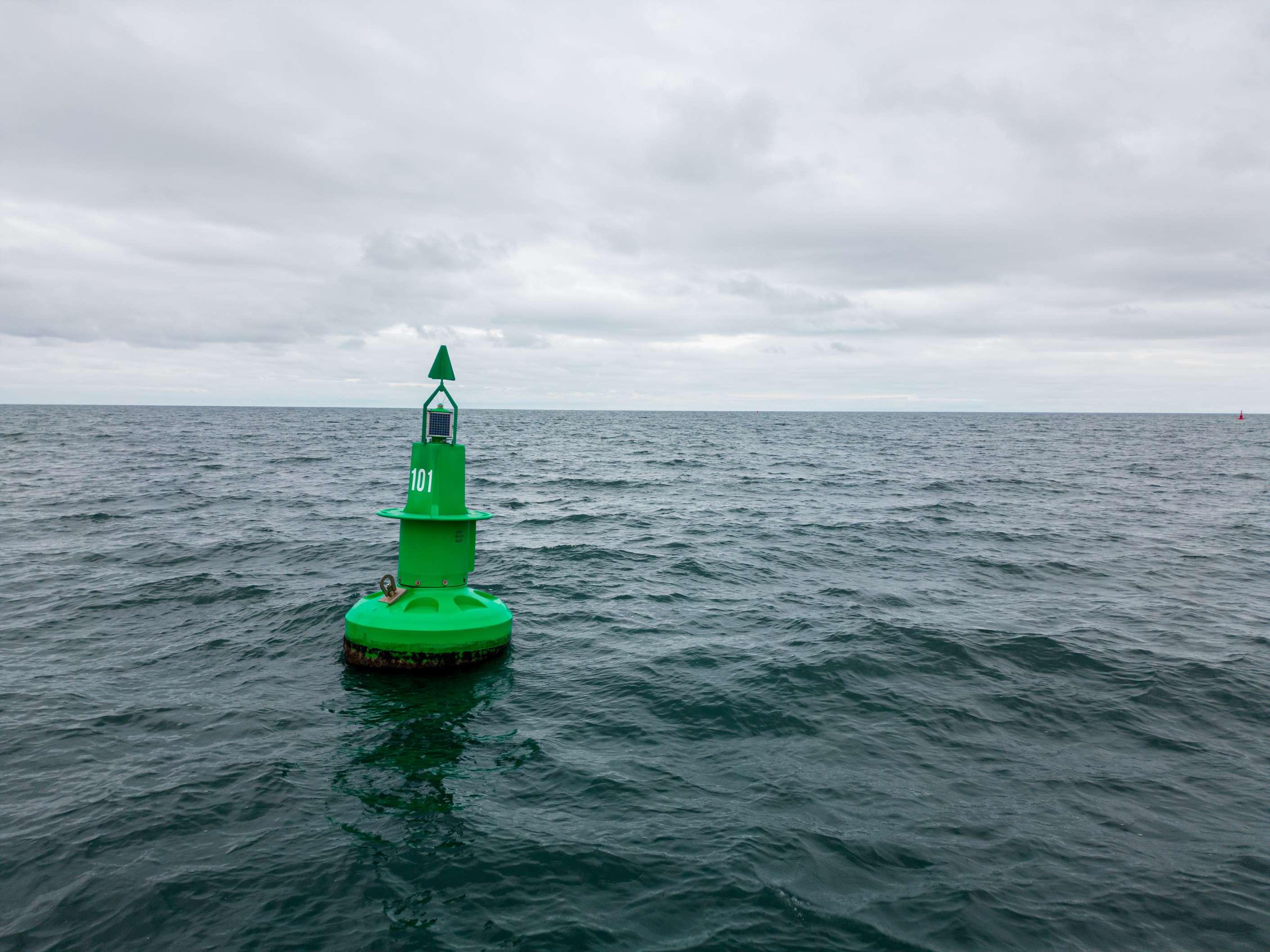
Offshore platforms are marvels of modern engineering, operating as self-contained industrial islands miles from the nearest coastline. These towering structures are hubs of intense activity, where precision and safety are paramount. In this vast, open-water environment, a network of floating sentinels plays an indispensable role in maintaining order and protecting billions of dollars in assets. These are the specialized buoy systems that support offshore platform operations.
The fundamental purpose of buoys in this setting transcends simple navigation. They are crucial components of safety, logistics, and environmental protection frameworks. From establishing clear boundaries to enabling the transfer of products, these floating markers are vital for the day-to-day functioning of an offshore platform. This article will explore how different types of buoy support these complex operations and ensure safety in one of the world's most challenging industries.
The Strategic Purpose of Buoys Around Platforms
The open ocean offers no fences, guardrails, or permanent road markings. Offshore platforms, despite their immense size, are vulnerable to collisions and operational disruptions. Buoys create the necessary structure and visual guidance to manage the surrounding maritime space effectively.
Their role is built on three key pillars:
- Safety and Exclusion: They establish clear, legally enforceable safety zones around the platform, preventing unauthorized vessels from entering hazardous areas. This is the first line of defense against collisions.
- Logistics and Mooring: They provide secure mooring points for the massive tankers and support vessels that service the platform, enabling the efficient transfer of personnel, supplies, and extracted resources.
- Asset and Environmental Protection: They mark the location of critical subsea infrastructure, like pipelines and wellheads, preventing accidental damage from anchors and protecting the marine environment from potential spills.
Key Types of Buoy in Platform Operations
The demanding environment of an offshore energy field requires a range of specialized buoys, each designed for a specific task. Understanding these distinct types of buoy is key to appreciating their collective importance.
Special-Purpose Buoys (Exclusion Zone Markers)
By international maritime law, a 500-meter safety zone is typically established around every offshore platform. Special-purpose buoys are the primary tools used to delineate this critical perimeter.
- Function: These solid yellow buoys, equipped with lights and radar reflectors, form a visible boundary around the platform. They serve as an unambiguous "Keep Out" signal to all non-essential maritime traffic, from fishing boats to transiting cargo ships.
- Operational Value: Their most important role is collision avoidance. A platform has no ability to move out of the way of an approaching vessel. The buoy line provides a clear visual and electronic signature (on radar) that helps captains maintain a safe distance, day and night, and in all weather conditions.
Mooring Buoys
Offshore platforms rely on a constant stream of support vessels delivering everything from food and drilling equipment to fresh crews. Additionally, Floating Production Storage and Offloading (FPSO) units need to transfer their crude oil to tankers. Mooring buoys facilitate these connections.
- Function: These are robust, heavy-duty buoys anchored securely to the seabed. Support vessels and tankers can tie up to these buoys instead of attempting a risky direct mooring to the platform, especially in rough seas.
- Operational Value: For support vessels, mooring buoys provide a safe and stable point to hold station while waiting for a weather window to offload cargo. For tankers, large Single Point Mooring (SPM) buoys act as floating terminals, allowing them to load oil safely away from the platform while being able to swing freely with wind and currents (a process called weathervaning).
Data Buoys (MetOcean Buoys)
Platform operations are highly sensitive to weather. Decisions about helicopter flights, crane lifts, and vessel transfers depend on precise, real-time environmental data.
- Function: MetOcean (meteorological and oceanographic) buoys are floating scientific stations. They are equipped with a suite of sensors to measure wind speed and direction, wave height and period, currents, and barometric pressure.
- Operational Value: The data streamed from these buoys is fed directly to the platform's control room. An operations manager can see that the wave height is approaching the limit for a safe crew transfer and postpone the operation, preventing a serious accident. This data is essential for both daily planning and long-term platform design.
Marker Buoys for Subsea Infrastructure
The area around a platform is often a complex network of underwater pipelines, manifolds, and wellheads. Protecting this subsea infrastructure from accidental damage is a top priority.
- Function: Simple marker buoys are placed on the surface to indicate the location of this critical equipment. Their message is simple and direct: "Do Not Anchor Here."
- Operational Value: A single anchor dropped in the wrong place could sever a pipeline, causing a catastrophic environmental spill and halting production for months. These buoys provide an essential visual warning to any vessel operating in the vicinity, including the platform's own support fleet.
How Buoys Enhance Safety and Efficiency
The integration of these buoy systems creates a comprehensive safety and logistics network that is fundamental to modern offshore platform operations.
Enforcing Safety Zones
The line of yellow exclusion zone buoys is more than just a suggestion; it represents a legal boundary. These buoys provide maritime authorities with a clear basis for enforcing safety regulations. Furthermore, they are being made "smarter" with the integration of AIS (Automatic Identification System) transponders. A smart buoy can detect when a vessel has crossed the 500-meter line and automatically send an alert to the platform's control room and broadcast a digital warning to the intruding vessel.
Streamlining Logistics
The use of mooring buoy systems dramatically improves operational efficiency. A supertanker can arrive, connect to an SPM buoy, load hundreds of thousands of barrels of oil, and depart, often without requiring any tug assistance. This reduces turnaround time and minimizes congestion around the platform. It allows massive vessels to be serviced in deep water, bypassing the physical limitations of coastal ports.
Preventing Environmental Incidents
Ultimately, the greatest contribution of buoys to platform operations is preventative. By keeping unauthorized vessels at a distance, guiding support ships to safe mooring points, and warning against anchoring in sensitive areas, buoy systems are a first line of defense against accidents that could lead to oil spills. They are a low-cost, high-impact tool for environmental stewardship in the offshore industry.
Conclusion
The operation of an offshore platform is a complex ballet of logistics, engineering, and human activity, all taking place in a challenging marine environment. The successful execution of this ballet depends on the silent, steady work of navigation buoys. The purpose of buoys here is multi-faceted, serving as gatekeepers, docking stations, and vital communication tools.
From the large mooring systems that enable global energy transport to the simple markers that protect subsea pipelines, the various types of buoy work in concert to ensure that platform operations are safe, efficient, and environmentally responsible. They impose order on the open ocean, providing the critical infrastructure needed to power our world from the middle of the sea.

 English
 Arabic
 French
 Spanish
 Portuguese
 Deutsch
 Turkish
 Italiano
 Russian
 Romaian
 Portuguese (Brazil)
 Greek
Greek